
SKEPTIC’S GUIDE TO INVESTING
Straight Talk for All, Nonsense for None
About - Our podcast looks to help improve investing IQ. We share 15-30 minutes on finance, market and investment ideas. We bring experience and empathy to the complex process of financial wellness. Every journey is unique, so we look for ways our insights can help listeners. Also, we want to have fun😎
Your Hosts - Meet Steve Davenport, CFA and Clem Miller, CFA as they discus the latest in news, markets and investments. They each bring over 25 years in the investment industry to their discussions. Steve brings a domestic stock and quantitative emphasis, Clem has a more fundamental and international perspective. They hope to bring experience, honesty and humility to these podcasts. There are a lot of acronyms and financial terms which confuse more than they help. There are many entertainers versus analysts promoting get rich quick ideas. Let’s cut through the nonsense with straight talk!
Disclaimer - These podcasts are not intended as investment advice. Individuals please consult your own investment, tax and legal advisors. They provide these insights for educational purposes only.
SKEPTIC’S GUIDE TO INVESTING
Money Stories And Solutions: Don Jay Rice
Use Left/Right to seek, Home/End to jump to start or end. Hold shift to jump forward or backward.
Please text and tell us what you like
Money advice sounds simple until real life shows up. We sat down with Don Jay Rice of Drumbeat of Wealth to talk about the part of personal finance most spreadsheets ignore: the emotions, beliefs, and old memories that steer our money decisions when no one is watching. If you’ve ever felt anxious opening a bill, oddly angry during a budget talk, or certain you “should” feel secure but don’t, Don Jay’s lens on behavioral finance and money mindset will feel uncomfortably accurate in the best way.
We get into the idea of a money story, the patterns we pick up early in life (often before age 26) that shape everything from credit card habits to investing behavior. We also talk about why financial literacy alone doesn’t fix financial wellness: most people can recite rules like “3–6 months emergency fund,” yet behavior still falls apart under stress, scarcity, or overconfidence. Don Jay shares practical tools he uses with clients, including a money memory timeline, a daily money journal, and personality frameworks like the Enneagram to help people notice what activates them and rewire reactions into healthier habits.
We also go deeper on grief, trauma, and major transitions, especially the reality of widow anxiety and “widow fog.” Don Jay explains why regular money dates and shared confidence-building inside a marriage can matter as much as any portfolio allocation. We wrap with a simple challenge for a loud, fast news cycle: slow down, create quiet, and give yourself ten minutes a day to hear your own thoughts. If you want calmer choices and better conversations about money, hit play, then subscribe, share this with a friend, and leave a review with the money habit you’re trying to change.
For more information:
https://www.drumbeatofwealth.com/
Straight Talk for All - Nonsense for None
Please check out our other podcasts:
https://skepticsguidetoinvesting.buzzsprout.com
Disclaimer - These podcasts are not intended as investment advice. Individuals please consult your own investment, tax and legal advisors. They provide these insights for educational purposes only.
Welcome And Why Money Feels Personal
Steve DavenportHello everybody and welcome. Um this podcast is a little bit unusual m because we're here on Good Friday and we hope everyone is getting ready for a great Easter weekend and holiday. And John Jay Rice is joining us today, and he's with drum beat of wealth, and what he focuses on is individuals' relationships with money and how they can be driving us into a bad place either mentally or financially, and how do we try to get some of our biases out of the way so that we can really make money a positive part of our life? And Don Jay was going to join us on April 1st for April Fool's Day, and we thought that would , but we just weren't able to get our schedules in line. So I'd like to welcome you, Don Jay. And , I'm really excited about this topic because I kind of believe that behavioral finance is the key to you know taking good advice about money and making it good advice about life, and then you know, help helping people overall improve their financial wellness, which is kind of the purpose of our skeptics guide to investing. So welcome.
Don Jay RiceYeah, Steven, thanks so much, and thanks for having me. And yeah, I I totally agree with what you just said of how you know money is in everything we do, and it affects not only our finances but our relationships. And so having a better handle with that and having a better handle with our behaviors around money just impacts our life in so many ways.
Steve DavenportYeah, how did you decide to make this your calling or your specific area of expertise? I mean, I I think it's a great, you know, I'm I'm a good fan of Daniel Crosby and some of the other work that's being done. And um, I was very close to, you know, one Robert Stanley, a millionaire next door, his daughter lived in a neighborhood
Biases And The Money Story Idea
Steve Davenportthat I I did in Atlanta. And I think there's some great input that people can get from these, you know, the average millionaires. And they don't they don't live a fancy life and they don't live a luxurious life, but they certainly, you know what I mean, take care of business and they don't have that stress of of money quite as much as others because I think they try to balance their spending and their you know earnings so that they're in in in sync. I mean, is that is that what you find, or do you find people are more out of sync and it's tough to get started?
Don Jay RiceUm I think I think there all of us are out of sync to some sort, right? There is no perfect investor. Um, I wish there was, and I wish I could say it was me, but that wouldn't be true. Um, and so all of us, all of us have a bias, all of us have a money story um from our past that will push against those biases. And I think the key thing, and that causes us to be out of balance with money, with relationships at different times in our life. And I think the key is just understanding that, becoming more aware of that. And so what I work with clients is is a lot about curiosity and awareness starting out of why do I behave or have this emotion around money the way I do. And as we start to become curious, then we identify where it's showing up in real time. And then then I work with clients to rewire that behavior or that that extreme emotion. So, but yeah, it biases in our money story pay are a huge part in that. Um, so they they make us better investors, but they also just make us better humans to understand it.
Steve DavenportI mean, how did I I am a little curious in your life, how did how did this exhibit in your like experiences and then like how did you did you find someone else that you looked at and said, oh, they're they're exhibiting the behavior? Like, I guess how did how did you get to where you are? Um, because it's it's an amazing journey in my mind, because I I always joke with my family that um there's no um there's no book on what to do when you have a child. There's no book on you know being a parent, really, you know, these different times. And I always think that the money story is similar and that it's almost one of those things that you're afraid to talk about when you're growing up or even when you're an adult with your children. It's it's the money story and how you get through it. I mean, how did you end up doing this?
Don Jay RiceYeah, so for me, I started as a financial advisor back in 1995. So um, you know, before internet stock trading was born, and I went in as a financial advisor thinking it was all about the math, it was all about the numbers. Um, if I just got those right, well, everything else was just logic. And as I worked with clients,
A Career Turning Point With Widow Clients
Don Jay Riceum I found that not to be true. Um, and and the real lightning bolt hit me, I think, in 1998, when I had three clients that passed away in a single month. And and at that same point, internet trading was starting to happen. So before internet trading, if someone wanted to buy a stock, even if they knew what they wanted, they pretty much had to go through what they called a broker back at the time. And so I started to kind of wonder where was the industry headed? These three clients pass away, and I bring the widows in, I explain the investment portfolio. Um, of course, I was always a big believer in both spouses need to be in meetings, um, but explained, hey, your investments are up for the year, everything's good from that standpoint, process the paperwork, and within two weeks of doing that, each client had transferred their account out. Full account transfer. And so that um, you know, at first, like all of us, we want to we want to blame. And so I thought, well, there must be a financial advisor poaching my business. No, it went to three different firms, you know, um, two of them out of town. Um, I looked and none of these widows knew each other through church or bridge or anything like that. And so there was only one common denominator, and it was the guy me staring myself in the mirror. And so it made me take a real hard look at what do these clients want that I wasn't delivering? And it was really to talk about the emotions in the room, the difficulties. Um, you know, um, widows have a lot of anxiety, there's a lot of status quo bias um that can that can come in there because there's enough change and they they don't want any more change. And I really wasn't creating any space for that in the room in the conversation. And so that really started me on this quest of like, how do I how do I get better at that? And with internet trading coming on, stock internet trading, I thought, if I don't, and I'm just gonna be about math and numbers and statistics, will I have a business? And so started on that quest of learning and grabbing. Um, and then started to see more and more as I as I made this my niche, was wow, there is a lot of behavioral biases and there is a lot of money story that shows up in decisions that people aren't even aware of. Um, we're so busy with our lives throughout the day that we have all these actions and reactions, and we don't think like, where did that come from? Or why did I react this way? And Steve didn't. You know, and here again, it's not wrong, right? It's not saying, oh, well, let's judge me for that, but it's just being curious. And so um that became really my my niche. And then um I I sold my practice in 2020 and decided to just focus on this full time because I just saw the need for so many people.
Steve DavenportThat's great. I mean, I I really like what you're doing, and I think that by eliminating the conflict of I want to manage your assets and I want to help you, you kind of make it very clear that you're just there as the consultant or the you know, family office leader, or how do you you know, um, do you get brought into families when there's dynamics around money and you kind of talk to them, or do you look at it as a one-on-one type of relationship?
Don Jay RiceUm yeah, you I work with individuals as well as couples and families, just depending on where the where the conflict might reside or or where the behavior is showing up and who it affects. So um, so yeah, all three.
Steve DavenportOkay. I mean I I've already talked to Don Jay and told him that I need help and I need help for our investors, and we just want to hit the top two or three items. Do you have any inputs or ideas that you want to make sure we cover, Clem?
Clem MillerWell, I I was going to ask what do they self-diagnose their behavioral issues and then come to you? Or do you have a sit-down with them and then you diagnose their, you know, with them, of course. Would do you diagnose their their issues?
Don Jay RiceBoy, that's a great question. Um, so sometimes they come and they know, hey, I've got an issue with
How Clients Spot Problems And Shame
Don Jay Riceboarding. Um, I've got an issue with credit card debt. Um maybe I've had a friend who's told me I'm financially enabling my children. Um, so so sometimes they come with that and sometimes it's just a question mark. Um, sometimes they're like, man, every time I approach money, I feel like someone's choking me. Or I've I've got every time I approach money, um, you know, I just get so angry. Um, or something just doesn't feel right. So sometimes it's a it's a pure question mark. Um, so I'd say it's either behavior, emotion, or a question mark. And so for those that um that say, hey, this is the behavior, we just start getting curious as to why that is. With the question mark, we just start exploring. It's it's all an exploration from that standpoint of just um observing and noting and you know, telling shame to leave the room because shame can shut down our curiosity and our and our willingness to learn and explore within ourselves. But yeah, that's that's where we come from.
Steve DavenportI've been doing some work recently just to kind of um around this idea of the number. Do I have the number I need to retire? And what is that number? And and then all of the work on you know, kitsches and others who have saying, you know, you might not need that much, or you might find yourself because you're a savior your whole life, you don't ever stop doing that, and you
Retirement Numbers And Life Transitions
Steve Davenportdon't turn around and figure out how to spend? Like, is there one part of people's life that you notice like brings these issues to the forefront and you have to, or do you find that, you know, buying a new house or getting divorced, or you know, like is there is there one precipitating event that leads to a situation that you feel, you know, hey, this is my you know, this is my fastball right down the middle. I know what's going on here. He's, you know, they've changed, he quit his job, and now he's struggling for relevance. And he's, you know, he's trying to figure out what the future is and whether money is a part of that future, or whether he just says, hey, I've I've climbed that mountain and I'm gonna climb another mountain.
Don Jay RiceYeah, Stephen, that's that's a good, good point. I it's different for everybody, and it's really based on their their money story from eight pre age 26 prior. So um sometimes I'll have clients come to me in their 30s and they're making great income, and they're like, something's off. And as we go back to their money story, there's there's this from their experiences, there was something that told them that, hey, once I make a six-figure income, like I got it, I got it going on. But then they start to see, no, I don't, you know, no, sometimes the budget gets out of control, and sometimes the credit card debts get too high. Or um, boy, I'm making great income. Um, but I still don't feel like I have enough. And everybody tells me I should be grateful and fortunate. And and you look back at their money story, and it was one of poverty and scarcity, and so it sent them the message that I can never get enough money to feel safe enough. And then and then I work with business owners who their business was their life and work-allism and and things of that nature, and and were and the the business became their identity, and now they go to sell that business. And you could see this same with with execs, they go to retire, and it's like, who am I? Right? And so um, which all factors into the messages money sent us. So it's it's really all over the map, but but you can trace it back to , you know, our experiences with money pre-age 26.
Steve DavenportDo you do you think it's really the parents' responsibility? Like, where do you think is how I I work with financial literacy for the last 20 years and I just find that it's it's like this whose responsibility is it? You know what I mean? Is it the community's responsibility through the education system? Is it the family's responsibility through they have the most
Who Teaches Money And How
Steve Davenportinterest in the success of, or is it, you know, some part of you know academia or the church or like how how do you look at the the creation of all these people with these issues and where you know if you could take the the Don J. Rice wand and wave it over America or the world, what would you do?
Don Jay RiceYeah, that's I I think it I think it boils down, you know, there's so many influences on us as as as we're growing up. You know, there's teachers, um, there's there's our parents, there's there's society in general, right? There's um you know peers. And so it's it's really hard to s to to pinpoint that. Um, I would say that though as parents, we need to be communicating a lot better about what's going on with money. I think I think a lot of times as parents and and society, we we think of money a lot like we do sex. You know, we don't have the sex talk with our children, we don't have the money talk with our children, you know, we don't talk about money in this house, we don't talk about how much mom or dad makes, you know, um, or what the neighbors have or may not have. Um and so we send this message that then tells the child, um, just like we have a lot of children who don't get proper education when it comes to sex education, right? They figure it out on their own. Um, they make up these stories, they make up what's true and not true. And we do that same thing with money. I mean, so if you think about parents, um, you know, if I take my daughter, younger daughter shopping, and she says, Hey, dad, let's put this in the cart at Walmart, and I say, we can't afford that. We can't afford that, we can't afford that. I'm actually giving her a scarcity mindset, even though we make we may be able to afford everything she puts in the cart. And so I got to really watch my language instead of saying we can't afford that, say, well, we we could buy that, right? We could put that in the cart, but we're gonna choose not to. And and here's why, you know, um, whatever it might be, our our church is having a big campaign drive. And I want to make sure our family is really involved in that generosity, or um, or maybe it's a talk about materialism in a way a child can understand things like that. So I think I think we've got to with money take a lot more time, not only as parents, but as teachers, everything, to really expand that out, to really have a longer and more detailed discussion rather than you know, hey, we can't afford that. And the child grows up thinking, wow, we we we were barely scraping by, and and that's not true.
Clem MillerSo I got two questions. Uh, first question is do you see differences in the way generations look at money, different generations? Uh and second, do you think that financial literacy is more important or less important today than say 25 years ago?
Don Jay RiceOh, yeah, those are those are great questions, good depth there. Um, so as far as financial literacy, more important or less important, um, I think there was a time where we needed, you know, a great amount of financial literacy. You know, how much should I have an emergency fund? Um, you know, all that information. But it's so much easier
Financial Literacy Versus Financial Behavior
Don Jay Ricetoday to get that information. I think when you look at most people, if we were to stop, you know, most people, the three of us stop people on the street and make a poll, you know, how much money should a person have in their emergency fund? Right. And, you know, most people are gonna go, yeah, three to six months. I've heard that ever and ever. Okay, how much do you have in your emergency fund? It's on generally speaking, it's gonna be a lot less. So we've got the education, but it's the behavior. Well, why is that? All right, why do you not have your emergency fund? Why are you not funding your 401k for the for the match? Um, you know, all those things. So I I think I think we've got to, and I, and I see I see the industry moving this way as to more like understanding the behavior behind it as opposed to just a a writ rule. Um, and I and I think, you know, with writ rules, that they don't apply to everyone, you know, um, from that standpoint. So um they're a guideline. Um, and then as far as generations, yeah, we we've definitely seen a change. Um, you know, we we come from, you know, my father and mother were both born in the Great Depression. And so, you know, definitely a scarcity mindset was put in them that that some of that was put into me. Um, but you know, you would see older people that say, I don't trust banks, I won't buy a stock because they all went down in the Great Depression, you know. Um, and so those type of things, where today, you know, we we meet most college students and they've got a stock app on their phone, um, and they don't deal in cash, which presents its own set of problems, right? That that it it doesn't seem real, the spending doesn't seem real. So um, so yeah, we definitely shifted um as generations have come by, you know, come and gone. Um, but those those problems themselves, scarcity mindset didn't go away. You know, we did have the 2008 financial crisis that a lot of the millennials grew up with, um, you know, having their parents come home and and wondering, you know, are we gonna have a house to live in? Are we gonna, as dad and mom, gonna have a job and those type of things? So, so those things never go away. But I think you're right, with different generations, the the the overall, right? The the you know, if we're looking at the the majority, it does shift to different issues.
Clem MillerAre you are you seeing already from any of your clients, especially maybe younger ones, growing concern about AI and being able to maintain you know standards of living to keep stay employed, , et cetera? I mean, there seems to be growing anxiety about that. What do you think?
Don Jay RiceYeah, I think I think that's on everyone's minds um as far as where does that gonna take us and what's it gonna do. Um, and I think it it lends ourselves even better to, you know, um, you know, I think about different professions where they may say, well, will AI replace me? Um, but AI can never, I believe, replace a heart-to-heart conversation, you know. Um, and so I think it's us realizing, hey, that it may take some of the duties, it may help me, right? But but it may shift how I focus.
Clem MillerYeah, I wasn't thinking so much about AI replacing what advisors do, financial advisors. I was thinking more along the lines of your clients, are they changing their behaviors or getting more concerned about money because of their feelings that they may be replaced at some point down the line? Yeah, yeah. Well, some of my clients are financial advisors. Oh, okay. Okay, so it's the same thing.
Don Jay RiceYeah. So um, but yeah, I yeah, there there is that concern um about where is that going to take us. Um, the same concern of when the internet came out and where would brick and mortar go. Yeah. Um, you know, so yeah, yeah. We we always have a concern or a worry of the day, as as you guys know, as you Work with investors, there's always a worry of the day. Right.
Steve DavenportCan you talk about your process a little bit? And I don't know if you, you know, want to give us a sample or example of, you know, here's what I saw, here's what I did, and here's what the result was.
Don Jay RiceOr yeah, sure. We can, we can, we can talk about some things. So so the the first thing I I do when I work with clients is um we we want to really take the time
Timelines Enneagram And Rewiring Habits
Don Jay Riceto learn the their money story. And so, you know, just uncovering the beliefs and the patterns that are driving financial behavior. Um, and I really encourage them there. We I work with them on shame to reduce that and and mitigate that um so that those real feelings and those real beliefs come to the surface. And so reducing shame, increasing curiosity, looking at past activities in their life, events in their life, and finding the pattern and the connection between how they're reacting today. And so one thing I do with that is we do um a money memory timeline where we're looking at happy, sad and money bad, happy, sad, and mad money memories um from their past. Um and then then I'm also helping them look at the Enneagram. And so the Enneagram, for your for your listeners that aren't familiar with that term, the Enneagram, think of it as like a um as a just who am I, you know, like a Myers Briggs or a disc or something like that. But it goes deeper as to why do I behave the way I do. And and we all have times when we're out of alignment, out of balance and who we want to be. And the Enneagram can help them not only recognize when they're out of balance, but but exercises to help them move back in balance, not only as a person, but with money behaviors. Um, and so then we're working in real time, um, looking at their decisions day to day as I work with them to see where these behaviors are popping up, where are they most activated? And then I go through a structure where I work with them on recalibrating those behaviors. Um, so we what's really cool about us as humans is we do have the ability to rewire our brains. Um, and so working with them with the disciplines that will help them actually rewire a belief or a behavior into a healthy outcome.
Steve DavenportThat's great. Um, I know you do some work with grief and trauma and how that impacts, you know, a family. And I mean, we're all trying to figure out how do we make a transition, you know. As three men here, we know that we're likely to go first, and our wives or partners will be there. And how do we make sure that they have the the
Grief Widow Anxiety And Money Dates
Steve Davenportright tools and advice and feelings around money so that they don't get overwhelmed? And we had a a guest recently from Suddenly You who that's what she focuses on. Women who are gonna be faced with a choice where they're suddenly gonna have. I mean, is there or are there best practices of of how you can try to make those transitions easier?
Don Jay RiceYeah, that's that's that's a really good point. So yeah, I have a background in grief and trauma, and I find that I that happens with with everyone. We all have these trauma events, whether we were bullied in junior high, whether it was a death, whether it was a divorce, a loss of the career we loved. Those are all grief events, they're all trauma events. And so um, or traumatic events, I should say. They may or may not cause trauma, but that's that's going down a rabbit hole there. But but what happens with every grief and trauma event is there is an underlying money message that's happened there. And and going and understanding those um grief and trauma events and what was the message I heard about money underneath is is usually a place where most therapists don't take the time because that's just not what they're addressing. Um, so to take the time to dig down there and say, what was money saying to you when mom died or when you were bullied or right, whatever, really helps us understand deeper how why we behave the way we do. And those grief, those messages through a grief event, through a trauma event, they get really deeply wired with inside of us and they're deeply rooted. So to understand those. Um from the standpoint of widows, um, like you mentioned, Stephen, most the guys on general were gonna go first. It's it's it's a it's a it's in the data.
Steve DavenportDo you do anything about that? Yeah, yeah. Yes, as longer, wouldn't wouldn't wouldn't that just solve the problem? What's that? I'm sorry. Can't we just get us to live longer and our wives to die sooner and then we we don't have an issue anymore?
Don Jay RiceYeah, yeah. Um, I don't know this. I don't I'm not as that good in chemistry and biology to give you the answer to that one. Um, but , but yeah, I think the thing is when you look at um whether us three guys want to admit it or not, it is still a male-dominated world. Um, and if you think about that's even even if we're not that guy with our spouse, right? Even if we're not that guy, they're seeing send, they're getting those messages through society. I was just working with a widow yesterday, tremendous anxiety. Um, her husband just passed away a couple months ago, tremendous anxiety around money. And I said, , and a lot of and and so a lot of people don't even remember or realize this, but women were not allowed to have a credit card solely in their name until 1974. Wow, yeah. I mean, that's always blows people away. And I had to actually go fact check that because I first time I read it, I thought that can't be true, but it's true, right? So, what message were we sending these women who were around in the 70s? You can't be trusted with money, you're just no good with money, and now you think about that widow, their their husband passes away, and they are immediately with this message in their brain, women aren't really good with money, they are immediately thrown into all of it saying, Now you're you're gonna lead all of this and you're gonna figure all this out in the midst of a huge grief event, right? You think about so they talk, we talk about widow's fog, um, widow's anxiety. It's real. It's real. And and so um, so if if you're in a relationship like that, I think the key thing is we need to have regular money dates. You know, there's usually always one person within a couple that they say, you know, hey, you do the you do the money and I'll do this, you know. Um, in our family, I pay the bills, my wife does the taxes, you know, she's she's all that, and I she tells me where to sign, you know. Um, and so we always have this division of duties, right? Um, the husband does the outside, the the wife does the inside, or where it might be. But we should have these regular money dates where it says, hey, you know, um, I really want to make sure you know about XYZ. And I really want your input on XYZ. And I think um it's really too not only that, but like when we ask for input, and when we go, wow, that's a good idea, I wouldn't have thought of that, right? We are helping give confidence. Like you just solved the problem, I didn't, and you did it well, I didn't, right? And so I think that's the thing, just like if you think of if you're at work building a team and you're training a new team member, right? We want them to learn, we want their input, we want to give them confidence, and onward we go. So so we've got to think about that as guys. Um, we've got to make sure our spouses are engaged in the money conversation, um, that they don't say, well, honey, you just go work with the financial advisor and you figure that out. Um, you know, even with my wife that does taxes, I'm still asking questions. Um, I want to know, I want to understand, but there's a certain point in which I go, okay, you know, let me sign, right? And so there's nothing wrong with that. Um, but yeah, we we've got to do a much better job of instilling that competence and that problem solving skill, um, or just showing that it's already there, I should say, um, before that brief event happens, before that death happens.
Clem MillerDo you do you provide advice on how to avoid to folks on how they should avoid people trying to swindle them?
Don Jay RiceOh, yeah, good question. I really don't get into that. Um, there's other people that that's their that's their lane and their space. And so that that's things where I'll refer out to. Um yeah.
Clem MillerSo okay. Um and do you find is it do you find that most of the advice you're providing to um to women come after their spouses die? Or is there do you or do you are you able to get to them while they're still alive, while both are still alive?
Don Jay RiceUm it's really all over the map. I've had widows that have recently passed away that have came in. Um I have couples that can't get along with the money conversation, , can't have that together with both being activated. And so obviously they come in from that standpoint. Um yeah, I wouldn't say there's any particular trend with females over males. Um we all have the same kind of issues to some degree. Okay.
Clem MillerAnd do you ever um do you meet with really young people to try to help them along and give them early, early in their career, early in their financial life kind of advice?
Don Jay RiceUm yeah, so that would be probably in their I'll meet with clients, I've had clients that out of their very first job. Yeah, and and kind of that they had that thought of like, well, once I get a job and I'm out of college or did my trade school or whatever, it'll be easy. And then they find out, wow, it's it's it's not easy. And so that's usually those type of younger people that I meet with.
Steve DavenportYeah, okay. Yeah, I mean, I think that the husband and wife is one interaction, but the the parents and their kids in different spending styles. And I know that the generations, you know, the they're growing up in a different environment in a different neighborhood than I grew up in. And so it has to be different. And I guess um I I don't know if you've
Talking With Kids Without Lectures
Steve Davenporthad any advice to people in dealing with their kids, you know, communicate, communicate, communicate, or because I I noticed that after a short period of time, and I'm talking about minutes, not hours, the cr we don't seem it just kind of the people look away and everybody just doesn't really want to get into it, you know. And I wonder, you know, , is is that is that just me? Is that a Steve thing? Or is that a you know, Steve's an old dad thing, or is it , you know, everybody has the same problem, you know, when kids don't want to talk to you, they're not gonna talk to you.
Don Jay RiceYeah, yeah. So I think I think um as kids are are are growing up, right? We've got to make our our teaching more of like we're walking side by side as opposed to we're sitting across the table. Then it seems more like a lecture, you know. And so I think sometimes we think of, and I know I've done this, Stephen, with with my children, is thinking, well, now we're going to sit down and officially have the money talk, right? And that immediately turns them off, right? They're like, oh my goodness, here comes dad, you know. Um, but where I've really been effective is with my children, and I've seen it with with my clients and and and others, is when it's that conversation that it's like, you know, dad and the son are are working on the car together, and it's just this conversation that just flows in and flows out about money, you know.
Clem MillerRight.
Don Jay RiceUm, and those are the ones they remember, and the ones where we sat down and and try to tell them, you know, like here's the rules. Um, we're just turning them off. And and if we thought about ourselves, I think the other thing there is really to be a good teacher, we got to understand our own junk. And so as parents, we've got to understand our own money behaviors, we've got to understand our own biases, our own money story, and how it interrelates and how it activates us and all these things. We don't understand our own, you know, the best teachers are the ones that really understand their own stuff.
Steve DavenportSo okay. Well, , I mean, what do you think we should be telling our listeners in terms of how to improve their their wellness and how to how to get their own stuff together? Yeah, I think other books or you know, I know the your website sounds like a great resource.
Don Jay RiceUm Yeah, yeah. Um they could go to
Journaling Resources And Building Awareness
Don Jay Ricego to drumbeatofwealth.com. Um, if you go to the bottom, you can click on my newsletter. I send out um a monthly newsletter that's all educational, um, that gives some people gives some of the techniques of rewiring our own behavior, noticing and recognizing our own biases and kind of what's the antidote when we have that bias. So that's that's a place there. I'm on Instagram as well as LinkedIn, um, and I post usually there five to seven days a week. All educational stuff, informative stuff, instructional stuff, um, examples of how we can how we can better understand that um from that standpoint. Um, books by Dr. Brad and Ted Klons are great ones. Um, you know, you mentioned Daniel Dr. Crosby's book, another good one, The Soul of Wealth. Um, so I would I would say just starting, but the other key thing there is just starting to put together your own timeline. Like what were my events from growing up that from my very first money memory to current day, and and what I think I got out of that, you know, where do I see that memory and how it affected me and how I'm reacting today? And just becoming aware. A daily money journal is a good thing. You know, today when I spent money at Target, I felt X. And I think that was due to Y, right? And just starting to look for them those patterns from that standpoint. So, and doing it here again with pure curiosity, I always use the term non-judgmental detective. So we've got to become this non-judgmental detective of ourselves because once we start judging, um, well, I did this and I spent too much at X, or I, or I, or I was um too tight-fisted with my money when when this generosity thing came around, and I and I start judging myself, and you're bad, that doesn't let curiosity come in and let shame come in. And without with those two things, shame covering up curiosity, right? I I don't really want to ask myself why. Why is that? Where did that start?
Steve DavenportNo, I think that I mean confidence bias, I think is is like you you want to say to yourself, I think I'm doing the right thing, and then when does it flip over into overconfidence? And you're like, this has to be the right thing. And in reality, as you've seen the last three months, I mean, I don't, you know, I don't know how or
Investing Hype Gambling Lines And Evidence
Steve Davenportwhy the market is reacting sometimes the way it is. And we always believe in this market efficiency idea that you know things are at the right price because somebody else has made a determinant, you know, and I and I I've always been like, are the markets really that efficient? Or and then I think about individuals making decisions on their own, and I'm like, it's hard. I mean, you're saying to people with all kinds of different educational levels, all kinds of different economics, all kinds of personal experiences, hey, you know, you should look at this as a good opportunity to buy stocks because the market's down 20%. I I think there's, you know, like there aren't that many short answers anymore with all this work because I think we can kind of say, hey, maybe this person's just a little too long-term thinking and not thinking about the short term at all. And I I don't know. It it feels like we're in a constantly changing environment with like I don't want to get too tricky, but Robin Hood and some of these new betting, you know, are they gambling sites, Keisha or Keishi? And or are they, you know, investing? If you're investing a thousand dollars and you get five to one odds on the war ending on April 15th, um, well, that's just an investment in your portfolio that offsets the risk of some of your energy exposure, right? I mean, people can talk their way into anything, right? Right, yeah. Because the temptations and the thing, you know, having NFL stadiums with you know kiosks so you can make your bets. I mean, is that improving the money health of those people? Uh you know, I I I just I just think it's it's it's tough.
Don Jay RiceAnd I mean, do you have an opinion about how things are getting more difficult with all the gambling and other stuff, or do you not find the factors into that many lives that you oh yeah, I definitely with what's going on with poly market and all that, it it is blurring the lines, right? And and I think with so much information out there, not that that's knowledge, but information, right? I I give me five seconds and I can find something on the internet that's going to confirm my belief, whatever it is, right? Fill in the blank. And so I think that makes it much harder as people and as investors. And I think, like you say, can lead to overconfidence bias, can lead to um, you know, um just just feeding all of our other biases. Um and so I think it's really key that with any belief, we we state our belief, right? We write it down, and then we we really put it on trial, so to speak. Why, where's the evidence that this belief, whatever it is, right, whether it's investing or something else, right? Um, where's the evidence that this is correct? But then say, okay, now time for the prosecution, right? Where's all the evidence that this could that this belief of mine could be incorrect? And I think once we do that, we're trying our best we can to approach it with an with an open mind. Um, and and is the evidence I've I have, is the evidence reliable? Um, you know, right? Um, you know, I found someone on the internet who said XYZ and it confirms my belief. Well, you know, what background do they have in that? Oh, nothing there. They're you know, they're just they got a lot of TikTok followers, but beyond that, nothing, you know. Okay, well, we we kind of got to scratch that as not really viable evidence. So, but that takes discipline and it takes a lot of awareness inside of us as to what's going on.
Steve DavenportWell, I mean, Clem, do you want to wrap up with you know any final questions or ideas? Or do you have any other things you'd like to talk?
Clem MillerYeah, I think we've covered a lot of territory. Um, is there anything that you would like to finish up with, Danjay?
Don Jay RiceUm no, I think I think we covered a wide range of topics in a short amount of time. So who knows how to do that.
Steve DavenportWere they just random ideas, or do you see any cohesion in anything that Clem and I do? I'm sorry. Do you see any cohesion in what Clem and I are doing, or do they are all that just random ideas?
Don Jay RiceOh no, definitely. I mean, all this fits in together and weaves together, whether it be our biases, our behavior, um, financial education. Um, you know, this is this is all just a woven tapestry and and it's all interconnected, absolutely.
Steve DavenportWell, I really appreciate you joining us today, Don Jay. And I want to remind everybody that your website is drumbeatofwealth.com. And Don Jay Rice has been doing this. For families and individuals for up to 20 years now. And I think that this specialty or this area is a key part of making advisors more aware of how they can help their clients, but also just um helping individuals understand how they can change and modify some of those behaviors so that they turn a weakness into a strength. Um I mean you have the final word, Don Jay. Tell us, tell us how we're going to get through this, you know, next year or year and a half and things we should be doing to just isn't is it turning off the news the best idea for us?
Don Jay RiceGreat question. I think I think the real way to get through it is to slow down. Um we are so busy and we're really
Slow Down Create Quiet And Close
Don Jay Riceletting we're really letting what whatever it is, the media, um , you know, the the constant chatter, whatever. We are we are having our minds fed from the moment we wake up to the moment we go to sleep. And so when do we take time to slow down and say, what am I actually thinking? What where are where are my thoughts? Um and so there's a lot to be said about peace and solitude and slowing down. Um and so I would just challenge everyone in this busy, fast-paced world that can create anxiety in and of itself in the busy and fast-paced. What are you doing in your your daily life to slow down, even if just for 10 minutes? Like, are you worth 10 minutes of your own time? Are you worth investing in yourself for 10 minutes a day to have quiet, to slow down? Um, and I would say the best time to do that is in the morning. Um, and then I would say, after the after in the evening, is there a time period in which you say, hey, after X time, you know, in our house it's eight o'clock. Eight o'clock is no drama, you know, it's it's letting the mind wind down, slow down. Um, and once you start to do that, you start to be more aware of your thoughts and where your thoughts are coming from. And and it's it's a powerful tool.
Steve DavenportI think that's great, Andre. I really appreciate what you're doing and how you're helping people. And I hope our listeners appreciate you and um will reach out and participate to try to make their their money lives better. And I think you've made Clem and I's money life better, and I I hope the same for the listeners. So thank you very much for being on. And I'd love to say, you know, let's let's talk again in some period. I mean, when you have something you want to say or do, let us know. Give us a call. Yeah, yeah. Sounds great. Thank you, Don Jay. Thank you.


Podcasts we love
Check out these other fine podcasts recommended by us, not an algorithm.
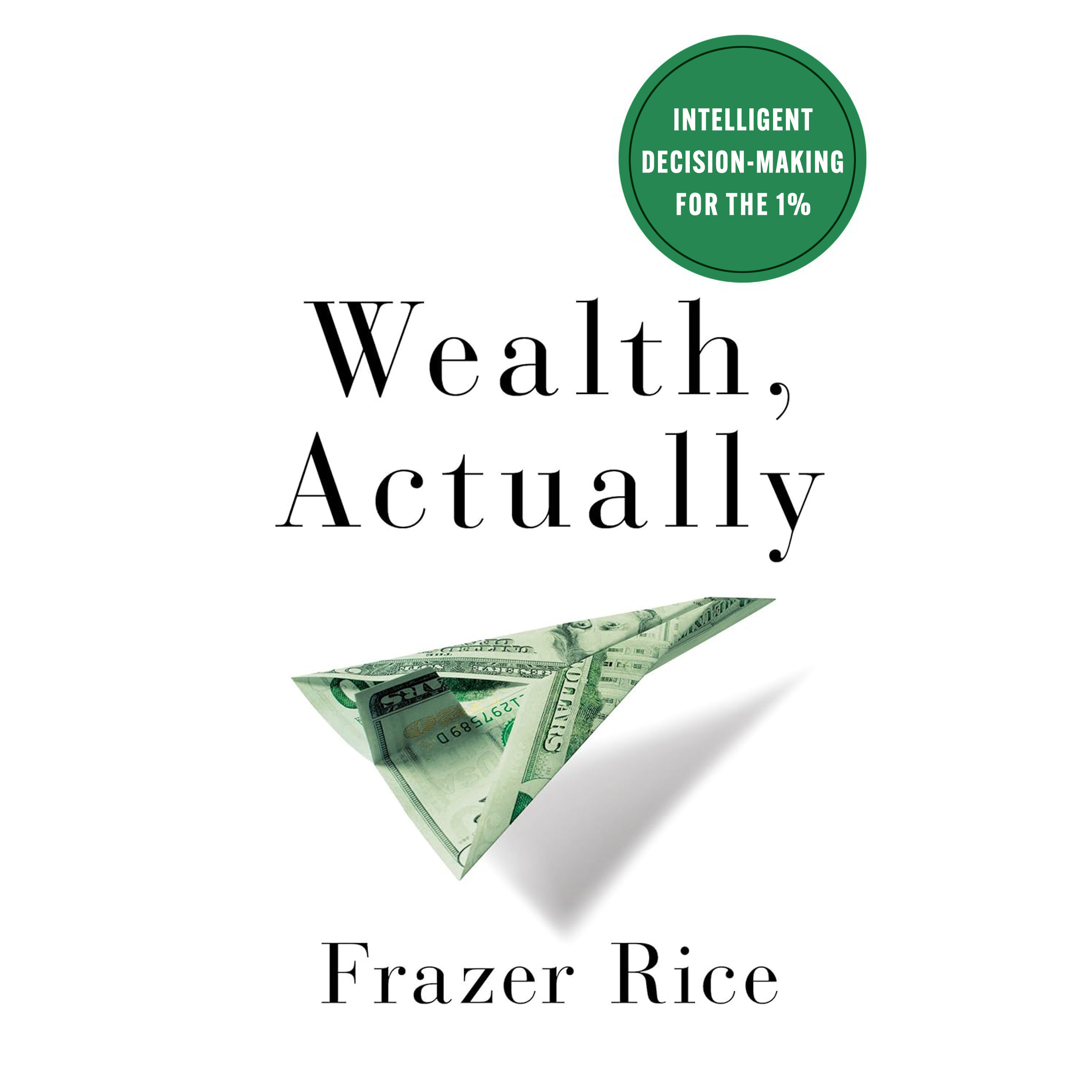
Wealth Actually
Frazer Rice
The Memo by Howard Marks
Oaktree Capital Management