
SKEPTIC’S GUIDE TO INVESTING
Straight Talk for All, Nonsense for None
About - Our podcast looks to help improve investing IQ. We share 15-30 minutes on finance, market and investment ideas. We bring experience and empathy to the complex process of financial wellness. Every journey is unique, so we look for ways our insights can help listeners. Also, we want to have fun😎
Your Hosts - Meet Steve Davenport, CFA and Clem Miller, CFA as they discus the latest in news, markets and investments. They each bring over 25 years in the investment industry to their discussions. Steve brings a domestic stock and quantitative emphasis, Clem has a more fundamental and international perspective. They hope to bring experience, honesty and humility to these podcasts. There are a lot of acronyms and financial terms which confuse more than they help. There are many entertainers versus analysts promoting get rich quick ideas. Let’s cut through the nonsense with straight talk!
Disclaimer - These podcasts are not intended as investment advice. Individuals please consult your own investment, tax and legal advisors. They provide these insights for educational purposes only.
SKEPTIC’S GUIDE TO INVESTING
How A First-Gen Story Shapes Modern Wealth Advice
Use Left/Right to seek, Home/End to jump to start or end. Hold shift to jump forward or backward.
Please text and tell us what you like
We trace Jooliana’s path from a childhood lesson about money and opportunity to a career helping advisors grow, exit well, and serve families with integrity. Along the way we unpack long-term investing, women-led leadership, client succession, and how to reach the next generation with clarity.
• Money as opportunity and motivation
• Choosing finance to translate complex ideas
• AI, crypto and disciplined long-term strategy
• Why 60-40 still works for many retirees
• From cash under the mattress to diversified portfolios
• Advisor M&A framed as partnership and culture fit
• Women of Merit, representation and mentorship
• Serving the millionaire next door
• Engaging spouses early to build trust
• Winning next-gen by including heirs now
• Three traits of great advisors: integrity, energy fit, humanity
“Everything we’re doing you like, and you want us to do more of it. 2026 is going to be an exciting year—subscribe and stay with us.”
Straight Talk for All - Nonsense for None
Please check out our other podcasts:
https://skepticsguidetoinvesting.buzzsprout.com
Disclaimer - These podcasts are not intended as investment advice. Individuals please consult your own investment, tax and legal advisors. They provide these insights for educational purposes only.
Juliana’s Childhood Money Awakening
Steve DavenportHello everyone and welcome. Today on Skeptics Guide to Investing, we're fortunate to have a guest. Our guest today is Juliana Krummel. She works for Merit Financial and she helps bring advisors together and mergers and also help advisors grow their firms and build their businesses. And also how people have done on their own financial journey. We don't think there is one path. We think there are many paths. And therefore, you know, I'd like to say welcome, Juliana. And why don't you tell us a little bit about yourself and how you've gone along this financial path?
Jooliana KrummelAwesome. Well, Steven, thank you so much for having me, Clem. It's nice to meet you as well. First of all, when you came up to me at a conference when we were speaking a few weeks ago and asked me to be on a conference a podcast because you would like to have more female speakers. I've never been so honored. And especially being a minority as well. And my journey when it comes to finance and the experience I've had started as a young girl who was six years old who cried in her room because she was so angry. And you're probably like, what can you be so angry about at six years old? Like, what your mom didn't give you ice cream. Like, no. So I vividly remember when I was six, I got a mail, like, and it said, you Kim, , my name now is Krummel, and it said, you're invited to be part of this, like , you know, pageant. And I was so excited. I ran upstairs, I got a dial phone. I said, Mom, you're not gonna believe this. I'm six years old. I get to live the American dream and I get to be on a pageant. I can't wait to be on TV. And then she's like, we'll talk about get home. And she came home a few hours later, she sat me down, and it's really heartfelt for me. And she was like, Look, honey, I know you think that you know you're able to do this and we want everything for you, but I'm a single mom. I have I work like 80 hours a week, and we can't afford this. And so, even matter of the fact that if you want to even go to college, which I thought everybody went to college, you're gonna have to get a scholarship or you're not gonna be able to go to college. Let's stop to a six-year-old girl. I ran into my room so fast, I shut the door, and I was so angry, so confused, so distraught. And at that moment, I thought to myself, money equals opportunity, and I'm going to have to work hard for that opportunity. So that kind of set the stage of my kind of financial journey, so that speak.
Steve DavenportNo, I think that that's great. I mean, I I had parents who realized I had no skills when I wanted to be a saxophonist. And my mother's like, how much does it cost to rent a saxophone? I said, It's at the church, mom. It's like five dollars a month. And she goes, That's five dollars a month that you don't have, you know. I think she could tell what my musical talents were really, you know, in need of development. But I do think that the American dream and having the ability to see yourself going to college, going to, you know, get a job, become successful. I think it's a lot of what we we don't talk about it, but it's there. Like I think everybody has the picket fence idea of I'm gonna get a small house and it's gonna have a little one-car garage, and I'm gonna, you know, and I still believe the home is the center of the American dream. And a lot of what we do is to create this idyllic, and we're coming off the most idyllic day of the year, right? Nolan Rockwell picture of the turkey on the table, and everybody around, and grandma's at one end, and the little kids are fighting. It it it is what we all think of, but in reality, I'm like, has have we ever had that as our family? And I'm like, I'm 62 years old, and I still haven't had the Rockwell moment.
Choosing Finance Over Entertainment
Clem MillerJuliana, coming back to your story, there's a lot of ways to prosper, right? To to develop a prosperous career. You could be a doctor, you could be a lawyer, you could be an engineer, you could be any number of things. Why did you choose the path of finance?
Jooliana KrummelOh my God, Clem. I really wanted to be the next Juliana Rancick on ETV. I really did. But what happened was is I studied journalism. I got actually got into UGA. I got a full scholarship. So I achieved that dream and I studied journalism. I was practicing on camera. When I went to Los Angeles to work for eNews, I realized that it was just not fulfilling. Everything was just staged. And I felt like I could do more with my life, with all the experiences and living the American dream. And I actually got a call from a recruiter that said, Hey, we have this job for digital marketing at a financial firm in Georgia. Would you come back? And I said, Have you seen my res e? And he's like, Yeah, it's perfect. I'm like, I don't even know what a stock or a bond is. And he's like, Yeah, that's totally fine because a lot of people, including people that are listening to this podcast, some people are fortunate enough to have families that teach them about finance and well-being and investment. But myself, I was a first-generation Korean. My mom barely speaks English. Um, the way she collected wealth was, you know, getting cash or insurance and putting it underneath the mattress. So I said, sure, let's try it. And they said because of that, a lot of people don't understand the terminology besides pass like a 401k or an IRA, if they know that. So your job is literally to translate these complex subjects to a layman term so people can understand it. And I was like, oh my God, that's journalism. Absolutely. Sign me up. And so that's how I got my job at Merit when I first started. And it's so crazy. I remember it vividly. And we're kind of going into my professional career and it's the culture part of it. I will vividly remember, I remember there was I was employee n ber 20. I've been there for 11 years, and this beautiful Asian lady, Amelia, she's a Filipino, walks in, and we were trying to figure out the computer and like signing in to show them what to do with social media. And Brake's like, oh, she's like the head of like our operations. And she walks in and she helps set everything up. And as we're doing the interview, I said, wow, like this financial firm actually has like female leaders. Like I've never seen that. When I see it on movies, Wall Street, it's all usually amazing men. And I applaud to men because you guys do a lot of great things for this country. But I honestly thought I was just gonna be have to be an assistant. And so I think that's where I permeated to how I really got into this industry. First of all, was the opportunity. Um, and second of all is the reputation or the representation, I would say, to merit.
Markets, AI, And Long-Term Thinking
Steve DavenportThat's great. I mean, I met some of the other women at your firm, and and I agree there's some woman leaders there that really have a lot to contribute to the discussion. And I mean, I enjoyed having you on the panel because I think your energy, your ability to articulate, and your humility y all make it, you know, very easy for people to understand and agree with you know what you're doing. I guess I like to kind of go back to kind of when you're in college and you're in those experiences and you try to decide, you know, even in journalism. I mean, I believe it or not, I'm a little better numbers than I am with words. So I kind of knew early on that you know I wasn't gonna be a writer. Um teachers, my second grade teacher brought my mother in. She was a she was a nun, and she said, Your son is left-handed, and he really we can't read what he's writing. And so, have you thought about having him transfer over and be right-handed? And my mother was like shocked because you know, she's like, Oh, you know, the devil is in the left hand, you know, the good good side is the right side. And and so she said, I think he's okay. I think we should just practice a little bit at home and he'll be all right. We're not gonna try to change him. If he's a left-handed person, he's a left-handed person. And that kind of acceptance of being different has always kind of been something that I cherish. Because I look, I'm 6'5, I I don't I don't look or feel like an average person when I'm on the plane and the person in front of me backs his seat up a quarter inch and it crushes me. I you realize that there's some negatives in life. But the thing I think that most people do is what do you have? Do you have a growth mindset or do you have a scarcity mindset? And the one thing that comes from you is definitely that growth mindset. When you think about money now, how do you feel about like the markets and things? Do you think it's a coherent process that has reasons and rationales? Or do you look at it and say, I can't believe what happens some days when you know something comes out about a new Chinese you know AI company, the whole market kind of reacts, right?
From Cash Under The Mattress To Crypto
Jooliana KrummelI think I think it's an evolution to anything in life, even if it's like growing a you know tree into like an apple tree, everything starts with a seed. And if you look at AI and the way it's really transformed this, AI has been around for decades. I mean, I'm talking about close to 60, 70, 100 years. I don't know the exact amount, but they were used in the very way that wasn't really focused for the retail, it's mostly for like military and institutional and things of that nature. And now it's coming in like mainstream as well. And when it comes to the economy and money, I think it's just really important to know that whatever you're getting yourself into, it's great because it's always in good to be open-minded because there's always going to be change. We had the dot-com bubble, then things move from mobile to no, sorry, to desktop to laptop, then from laptop to mobile, then mobile to AI. Now, this is just a new iteration. And those that take a nimble, slow approach is always going to win. And yes, I know we, I just I was in an Uber driver and this guy's like, oh, I'm a day trader. I was like, gosh, I wish I had your talent. Like, I seriously wish I do, but I just don't. Like I've tried it, I've lost a thousand dollars. I said I'm done. Like, so I think there is a place for people to , you know, day trade, test if you want. And if you want to gamble, I don't condone it, but you know, I know there's sports betters, there's all different types of people. But having a consistent approach when it comes to investing in the markets, even if even if it's volatile or there's a government shutdown for a month or things that nature, having guidance like you, Steven or Clem, especially you being advisors, is making sure that you're on the right path and thinking the long term is going to really what will set you up for success when it comes to economy, whatever it might be, unless we have like an alien that comes down and the whole world just comes to an end, then I pray to God you just have like some storage of food there. But other than that, it's like a cyclical thing. And you just have to like ride with the waves. And 90%, I mean, from what I've seen historically, it's been going up. I mean, even if you just invested in the SP 500, right? And my mom, , perfect example, she is like a you know, person that just only believed in cash. And I told her like eight years ago, I was like, can we please start an IRA? And she's like, Oh, no, no, we just buy insurance because we're Asian and we love cash and anything that's insurance. I was like, okay, mom, but I think that there's some tax strategies and efficiencies. So I invested, you know, 50,000. It's increased to like 90,000. Now she is so gung-ho about crypto and AI. It is unbelievable. This like 67-year-old woman that can't speak English is buying crypto, and it's in the whole Asian community. I was literally eating kimchi with my mom for Thanksgiving at a restaurant, and then a lady in Korean's like, oh, like, are you investing in this crypto? I'm like, Y'all, like, do you even know what it is? Like, you can't even speak English. I'm just kidding. It's not that, but it's not perfect. Like, are you doing your research? And so I told her, I was like, Do you have a financial advisor? I'm all about you investing in things that are new and it's going to work. But do your due diligence, do your homework, get your research, ask people that are professionals, and then inch into it and make sure it's not like your whole whole portfolio, but like, you know, make sure it's a balanced portfolio based on what you want to accomplish. And because of that, my mom loves crypto. She always tells me how much she's earned versus the money that I helped her. But I'm like, but look how much you earned before, before crypto came mainstream.
Clem MillerAnd so Juliana, before I'd like to come back to crypto at some point. I know Steve.
Steve DavenportOkay.
Clem MillerI know Steve. But , but why don't you tell us a little bit about what Merit does and what you do with Merit and so on.
Jooliana KrummelYeah, absolutely. So my job at Merit is pretty simple. Um, I call myself essentially kind of the advisor's advisor. So Steven and I were talking about this for the conference, and I said, you know, a lot of people, including my mom, she's a retirement age. And ideally, one part of the things about being an American dream is you know thinking about retirement, starting social security, enjoying life, having grandbabies, families, all that wonderful things. And so a lot of the times working with advisors for seven years in a different capacity of like helping them grow their book of business and now coming to this place, a lot of people don't really have a retirement plan. So most of the time, like, hey, I know you were advising your clients to start early, invest if you can, save if you can, figure out your retirement plan five to 10 years. And I ask, have you done that? And they're like, Well, yeah, you know, I'm like a business owner, there's something going on, blah, blah, blah, blah, blah. And next thing you know, they're like, okay, I have like two years. I need to go hire an investment banker and I need to find like a home so that my clients, when I do decide to take a next leap of succession, , that they're taking care of. So a lot of the times I feel like they come to us and we're really thankful to say they're like, hey, would Merit be a good home for me and my clients and my team? And so instead of saying, yes, absolutely, you should totally be part of our team through like an acquisition, it's more of a partnership because you're switching like kind of equity with your business. So you really become like an owner of the company. Um, and so my job is to really sit down with them and say, n ber one, do you have an internal succession? Do you have like a brother or you know, G2 advisor that wants to help, you know, with the business and you can take over? Yes or no. Can they afford it? Right. The more assets you have as a business owner, the more expensive it gets. So it's a double-edged sword. And if that's a path, great. N ber if you don't and they can't afford it, or they are just not able to at this time, or they they may not have like an advisor who can take over. All right, let's look at the second option, which is , have you thought about partnering with a firm like Merritt? And then that's when they kind of come to us and they say, okay, I'm looking at four different firms. And then we're like, great, we really appreciate you thinking of us as a potential partner. But now, like, is your business optimized? Like, do you have like all the things you want so that you can maximize your investment? Like you would tell your client, right? For like allocation. And then do you also have are your clients gonna be taken care of? Um, do you think Clem and I, if we have a conflict because you know, we're team members, that we will be able to resolve it because we care about one another. We care about the culture. We know that we're gonna be taken care of. And then finally, does the investment make sense? Like, are you gonna be really focused on crypto, private placements and you know, real estate and private equity, or are you more focused on like mutual funds and sleeps? So there's a lot of different components that go into this that you have to advise alongside with other team members to say, okay, like we've checked about probably 85 to 90% of the boxes. Um, I think we should look at potentially getting married and be like, great, or say, hey, you know, we've dated for like six to eight months, and it's just, I want the best for you. And I think that so-and-so firm would be a lot better husband or wife to you, or a lot better marriage. And so a lot of that kind of comes and goes. And that's the way I kind of explain my role, more than just like MA or acquisition or things of that nature. It's really just like being an advisor to the advisor or financial advisor. That was a long-winded answer, but I hope that that helps you understand it.
Clem MillerYeah, no, I got that. Y ou talk a little bit about the woman at Merit because it's a program.
Who Merit Serves And How They Invest
Jooliana KrummelSo we are really fortunate that we have several female owners, financial advisory firm owners who actually partnered or joined Merit through a partnership or an acquisition. And I think part of the reason why is I go back to the story about 20 minutes ago when I said I walked into the CEO's office and there was a female representation. And so if you look at our leadership team right now, about 50% of them are really sitting in the C-suite level. It's crazy to say that because I've been there for 12 years now. We have C-suites. When I started, it was not like that. Um, and so when we have that kind of representation and females understand that and see that as a firm owner, they're like, okay, well, my you know, secretary wants to someday become a VP of marketing. She can do that because you can see it there. And so we really pride on that. And we do have a 46% ratio of female to male, so 46, close to 50%. And I think that's an applause to us, and we want to continue promoting that. Um, because of that, we created a program called Woman of Merit, which is really special to us. It's almost like a community for just female advisors, female support staff, female interns for us to come together to share best practices, have mentorships, ask for advice. Um, we have webinars that are happening on a monthly basis. Also, we even in Georgia, because we live in Georgia, there was a an event that happened in Chateau Elon with like a radio channel that was really big, like locally, and Power 96. One actually. Um so what they did was they were collecting female hygiene products because believe it or not, it's very expensive being a female and having to go through that. Sorry if it's a TMI, but , but our like team literally went together, helped them raise funds, showed up, made sure that we donated, we collected items. And I think that was a huge success. And just being able to be together and help each other, not professionally, but also personally, has really helped us grow our firm from like a talent acquisition, recruiting, as well as partnerships. So it's it's near and dear to my heart. And I'm excited to see that's continuing to grow since the day one I was there at, you know, 11 years ago till today.
Clem MillerCan you can you describe your typical client?
Jooliana KrummelOur typical client is a millionaire next door. Somebody that's, you know, I'm gonna give you a perfect example that worked at ATT or in Verizon, started when they're 18 years old as like a secretary. We've been there for 30, 40 years, and then they have a pension and they've decided to say, I want to retire, and I have about one to two million dollars of investable assets. And then we do also have like business owners as well that are that are all shapes and sizes that need help with business planning as well as exit planning, all those things are important. And then also the next generation. So we have like a YouTube channel that also is really pushing out content to the next generation, as well as Instagram. So we try to not have like a minim , like some advisors do that say, oh, you need like, you know, half a million dollars to, you know, invest with us. We believe that if you invest into the younger generation, one day they are going to get there if they work hard. And so then that's gonna be the future generation for our growth of our company, our community.
Clem MillerDo you do you offer model portfolios for your clients?
Jooliana KrummelWe do both. So we do, we do have different model portfolios because a lot of our clients are, you know, those that are millionaires next door, right? They're not really watching the market on a regular basis, but they want their clients, they want their children to be taken care of, , their families to be taken care of. So the majority of them, yes, we have models and sleeves, but we also do have those clients that want a customized portfolio because of their situation. Also, because of partnerships, we have different people that come through that have specific clientele that they're used to certain things. So we do remain flexible because we believe that there's got to be a place for everybody. The majority of them are yes, that are you know, models, but we do still offer some customization as well, , just because we know that's important to them.
Clem MillerSo if you have, say, a most common model that you offer, a core model, say growth, you know, a lot of firms they call it, we would call it growth and income, right? Portfolio. Uh, what percentage do you allocate to various assets?
Gender, Longevity, And Client Trust
Jooliana KrummelTypically, that it's gonna be, I think, more preservation focused. And I'm not like a CFA, so I can't tell you in detail, but I feel bit, but I know that most of our clientels are in those phases of they they've acc ulated wealth, they want to preserve it, they want to have that 7 to 10% of growth annually and try to live off that 5 to 8%. So we do have a balanced portfolio. It's not very growth focused just because we don't have the next generation. That's that's not as big of a pool for us. And for we're trying to get there. But if that makes sense, but it would be more of like a 60-40 allocation, I think has been really like helpful for us. And then we have like the structure, or not the structure, like the you know, prep equity and the alternatives are very small. We would say probably less than 10% for those that want to be part of that kind of new program. But for the most part, we're pretty conservative. But we do have different anywhere from like extremely aggressive to like very, very safe. Um, so but I would see generally it's kind of more on the safer side, I would say.
Clem MillerOkay. More more income then.
Jooliana KrummelMore income. There you go.
Steve DavenportI mean, we've talked about previously in some of the podcasts about how women are challenged by a few different factors. One being they're gonna live longer, two being that their wages could something, you know, could be less than a similar job for a man, and also because they are involved in their families and sometimes taking care of their parents. I it feels like to me there is so much opportunity in the space for woman advisors that I believe that you know we know that there's gonna be a huge transfer of wealth over the next 20 years. I think the n bers are something like a hundred. A trillion.
Jooliana KrummelA trillion.
Steve DavenportAnd I look at that number and think a lot of that is gonna be transferred between a husband dying and a and a wife, because we've noticed that in our own clientele.
Jooliana KrummelRight.
Steve DavenportThree people pass away, all husbands in these relationships, and so now we're working with you know the woman in the relationship to to try to maintain and and grow. And I think we've always been working together as couples, and we wanted it. But do you see a transformation going on and and that woman really appreciates having another woman to talk to about investments? Like how how do you put that on the scale of we really want them to be educated, we really want them to be comfortable, we really want them to be, you know, balanced in how they approach things. Do you think do you think gender is a factor in a good advice to a relationship?
Jooliana KrummelSo, what age group are we talking about? Let's can I throw a question?
Steve DavenportI'd say from 50 to 70.
Reaching Next-Gen Clients And Saying No
Jooliana KrummelI think it does. And I think the most important thing is just we we're coming to a different place where if you think about it, it wasn't not too long ago. I don't remember the statistics when where women could not even have a credit card, right? And they were able to now finally buy a home. They're finally able to have a job. And it's just crazy to me because I never grew up in that era. So I've always been in the woman empowerment, and I'm really fortunate merit has created an environment where I feel that on a daily basis. But I know that unfortunately, not everybody does have that. And I feel like the older generation or like more mature generation, you're gonna feel that more because they just have to go through that much more and sacrifice it. So I think that if they talk to female, would they feel more comfortable? Probably. Just because they are able to say, hey, like, you know, we're in our 50s and 60s, this we're in the same generation. We know what we went through. And even no matter what, like I feel like empathy is just something very hard to replicate, even if you try. Now, does that mean that you can't? And like I think gender is a factor. And as a male advisor, it's gonna be harder for you. No, but I do think it's all about relationships, right? So, Stephen, say you have a client, right? And the husband and wife are, you know, together, they've been there for 20 years, and they just and then the husband unfortunately passes away a little bit earlier. When did you start engaging with her? Did you start engaging with her a year before or 10 years before? I think that's what's going to make a big difference when it comes to married couples and like having to have that, you know, like happen, right? And so then what happens is women love to refer to each other. Like if you have a good sale, like all of your girlfriends are gonna find out and say, say, Steven, you did an awesome job for Sally and John, who are together, and you've been working with her for five years. And then Sally's like, I'm sorry about my my husband passed away. But then at that time, probably Sally has five other lady friends, right? And their advisors were not nice. They were like, you know, they brought him in, he said, sign this doc ent, but they didn't feel included. And Sally's friend's like, hey, you know, like I don't even know this guy. She's and then Sally's like, well, Steven, my advisor, like does this woman's lunch and he's like loves us, not only cares about our finances, about our family, he's included me. She's gonna be like, Can I talk to him too? And then it just like spreads like a wildflower because I feel like it's still the same age group. And even for those that haven't been married, right? And they're like scared, they're gonna be like, well, Sally uses this advisor, so we're gonna j p on board. And it's all almost becomes kind of like that word of mouth. But the key is to if you do have clients and you're established, like start the relationship early. And I feel like if your clients are becoming younger, I think that you're not gonna have as much hard of a time as far as like some of those that might be more mature and their 60s, just because the younger generation are just growing. I think it's getting to too much where now people have different pronouns. But as far as female and male goes, I think that the younger generation are much more open to it. Um, the older generation, it's going to be work. And I think time is going to be the key to having on your side when it comes to you know client acquisition for female clients. But I don't think it's impossible.
Steve DavenportYeah, I mean, I had a meeting just Monday night with a couple, and he was 72 and she was 67, and the son was involved in the conversation. And it was just an interesting conversation because the the husband said, Look, you're gonna be around with this money a lot longer. So I want you to be comfortable and you to be happy with whoever and and I thought it was a very nice way to remove like he's a strong personality, and I'm sure he's you know, probably gonna talk to her after we're off the call. But I just think that how we handle that as an industry and how we handle women in general, just as a as clients, I mean, I think that the one thing I'd say is that all paths are different, like there isn't a standard couple because I thought the five-year difference wouldn't make that much difference, but then you know, I talked to the son and he's like, Well, yeah, he's had some hard, you know. There's all kinds of people dealing with all kinds of issues with all kinds of needs, and I think we all you know have a have a obligation to try to unearth what are those real differences. Like, tell me about the core. Juliana at the core is a you know a person who has a growth mindset, has a has has a Believes in hard work to accomplish. Like there's certain things that you can learn about people, and then you say, okay, well, that means your portfolio is probably not going to be 60% bonds and 40% stocks. It's probably going to be, you know, have an interest in some of these other fields, maybe alternatives. But I guess I I wonder, do do we can we make ass ptions about what how how people view money? Like if I was talking to your mother, would she would she want to talk to me or would she say, I'd rather just talk to Juliana? Like, is there is there is there a place where we should probably just say we don't go, or are we should we always be going for hey, let's develop this relationship as much as we can?
What Makes A Great Advisor
Jooliana KrummelI go back to dating. I feel like there's a person for everybody. And if my mom met you, she'd be like, absolutely, Steven, I want to invest in everything. Please tell me. And but again, I think it's just understanding what the relationship looks like and what their body language is. You know, I'm all about energy. And I know this is probably the worst for Clem and Steven because they're like all analytical. But when it comes to being able to ask the right questions and asking them, like, hey, what's your investment philosophy? What do you like to do for work? You know, just like behavioral finance and just understanding in the core, like you said. And if you're able to connect in that way, then you're able to kind of open that gate, or you may not. And that might take three or four meetings, it may take dinners, it might take a simple way. I'll give you an example with , we hired a general counsel, and this is not any like finance thing, , finance story, but we hired a general counsel because we need legal advice internally now. And so this guy's very stoic, right? And he's just like very type A, type B analytical. And I was like, Can you please help me with this contract? He's really busy. And I saw all these plants in his office, right? And I was like, oh my God, your orchid is beautiful. And his eyes literally lit up. He's like, You like orchids? I was like, Yes, I love orchids. And I said, you know, I have four orchids, I do this and this. And he's like, has it bloomed? He's like, no. And then the next day, I literally came back and got him these orchid spikes. And I was like, here. And he's like, What is this? Like, this is for your orchid. Like, I love it. Like, I want it to bloom. And and then since then, like he's been so receptive and open. And I guarantee you if he wanted to be a client, and if I saw him as a client who was very like closed off, but I the that little thing that he knows that I care about is going to be opening the door to say, okay, like I can trust this person because they just don't know, do they just don't want my money? It's that they actually care, even if it's a small thing. This guy makes a lot of money. I don't think he needs more money. But the fact that I cared and he told me about his mom and how she was a plant artist and all that things. And then that kind of ran into that. So it's almost like finding that, like little, like like little area that where you can slide in, open that, even as small as it could be. And I think that's going to make the big difference. And granted to say, you're not gonna get that every time.
Steve DavenportI hate to say I think we could learn more from you than when we could teach you about investing. So I think they're dating and and your marriage analysis. I always tell Cle m that I'm dating these stocks, I'm not one of those. They could they could do something that will disrupt the relationship and will break up. But it might I might come back and date them again later. But I look at stocks as things that you you take into your fold and you believe in for a period of time. But if they don't behave, if they don't do everything right, then they can be tossed to the street just as easily as you know, a date that goes wrong, you know.
Jooliana KrummelSo that's how interesting that you say that. I never thought of it that way.
Clem MillerSo, Juliana, I want to ask you about two more different kinds of clients. Uh, one would be those who are fairly young, like say in their 20s, , but who have some money and are interested in investing. And I think this is where kind of the crypto discussion comes in because a lot of them think that crypto is an investment. There's my bias, right? Uh and then the second type of client and is you know, like a woman might come into your office and say, I'm getting divorced. So what do I do in that circ stance? And you know, you do see that that's a I guess a niche category, right, of wealth management is dealing with dealing with divorce and the investment aspects of divorce. So I don't know. What do you think about those two things?
Hard Work, Integrity, And Closing
Jooliana KrummelSo I'm gonna be honest with you. If I'm an advisor with maybe two staff and you said I want to, you know, market to the younger generation, and you've have a couple you have a good book of business, it's really hard to go back because you're trying to continue to move forward. But so what I will give you an example is something I helped my friend. So my friend, , she's amazing. She's she has a PhD and she works for Pfizer as a pharmacist, right? But she was like, you know, I only have like $100,000, which is a lot of money. Don't get me wrong. But like in the financial advisor world, you know, that's may not be as much when it comes to investable assets because we get paid per that. And she's like, I have this advisor and she's great, but she's just like not picking up my calls and I don't know what to do. I'm like, should I get a new advisor? You guys are and I was like, Well, you're educated, you know, I know your family and your father and mother are very wealthy. And, you know, they've done really well for themselves. They work hard, they're good people, they're not flashy, they're good American, like beautiful picket fence, white picket fence family. And I was like, Have you talked to your dad's financial advisor? She's like, Well, no. Like, I mean, I was like, why? And she was, and I was like, she was like, Well, I don't know, like I kind of want to do my own thing. And I said, Well, if I were you, I would look into that. And she said, why? And I was like, Well, first of all, if this advisor is working with Clem, and let's just put it a n ber, he is, he's a $2 million client, probably more, $2 million client. The service he's getting as a $2 million client is much higher than the service you're getting as a $100,000 client, right? And so she was like, okay. And I was like, because of that, Clem is incentivized to be able to take care of you because that's his view. Like when it comes to financial advising and holistic planning, you want to take care of like the next heirs and next generation and everything else. So even if you have $100,000, he's gonna treat you like a $2.5 million client because he wants to make sure that when your father passes away one day, I don't really talk talking about this, that you are gonna be the next heir because you're his beautiful daughter. And so, but and he wants to keep you and continue that lineage and continue helping that holistic in a holistic way. And she was like, Okay, well, and then she called her dad, the financial advisor like is works for Morgan Stanley. So obviously I think it's a little bit more than $2 million. And she's and she the next week and she's like, Oh my god, Juliana, thank you so much. And I was like, What happened? Did I, did I, did you win the lottery? And she was like, No, like they treat me like gold. Like, literally, they like help me with my portfolio. It's absolutely perfect. I understand my dad's situation, my mom's situation. I have a great relationship with my financial advisor. Financial advisor is happy because now he has another 40 years that he can continue having a client for, right? It's kind of like a win-win situation. So I feel like if most of your clients that you have right now, if you're not connecting with the next generation, you already have a client base, like literally a very beautiful client base. Start connecting with them, whether it's taking them out to baseball games or just doing little things that would help them. And I think that's the way to build the next generation if you have clients. Now, if you don't have clients and you're a 40-year-old woman or man that became an advisor, it's gonna be grassroots. Like you're gonna just have to take it as it comes and go to every networking event, you know, work your network, start off with like the $100,000 client and work your way up. But those are the two ways that I see that how you're able to penetrate the next generation. Um, as far as crypto goes, it really just depends on the person if they want to be helped. I feel like there's more than enough people on the sea. And you can't, if somebody believes this mouse is red, and I'm trying to say it's white, and they're like, no, this is red, I cannot force them to believe that this mouse is white, even though it's white. So I think that instead of wasting, not wasting, instead of like focusing on client acquisition and that, like find those that are like you that believe in the same things as you. Um, and I think because like for me, I have a lot of friends that are in in commercial real estate and they think the real estate is God's given investment. And I love that, but they're just not gonna make good clients. So I'm like, we just you know, drink beer, hang out. If they have a , you know, real estate client that bought a house and needs an advisor, great. But I think it's okay to say no. And I know Stephen, Stephen knows this, but like the power of no is so powerful that people don't use any like every day. So hopefully that kind of answers my question about the next gen, and then I can go into the divorcee, which is a little bit sadder, but yeah.
Steve DavenportI think I think it's a great way to provide service that the person is in a time of you know stress and and uncertainty, right? I mean, that's to me when an advisor really earns his keep, right? And I think that overall we should be trying to you know be ready for those moments and understand those moments are gonna occur. And and two good people can have differences because it's just not to work out. So I I I think it's you know, I think it's a great way to grow your business. I I know several advisors who it's the core of their business, and I think it's I I think it's smart. I guess I I wonder if if you could look out there and design an advisor, what top two, two or three things do you think he should have in order to be.
Jooliana KrummelLike Stephen and Clem. Just put Steven and Clem, that's it. Don Mike, I'm just kidding.
Steve DavenportI know that's the right answer. You know that's the right answer, but we still have to put the words out there for people. Like, what three characteristics do you think are most important when you're talking about? I think this advisor would be good for you. He is or she is or they are.
Jooliana KrummelYeah, absolutely. Number one, I can't say it enough. I think the reason why I even chose this industry is because integrity. And when it comes to entertainment or some of the other industries, there are not as many people that focus on integrity. It's all about the shell or like what you can show. And so if you can find somebody that literally has integrity, and that's why most, you know, hopefully most advisors are fiduciary. And if even if you have if you have no, if you have a CFP or a designation, you definitely have to be fiduciary because you're taking care of people's money. Like, I mean, money is so personal, like it's it creates opportunities. Like, think about where I was when I was six years old to where I am today, and I'm really blessed and thankful. And so when it comes to that, like you want somebody that's going to be the best for you, even so that Stephen, you're like, oh, this stock would help me make more profits as an advisor, but I know she really needs this. And so understanding that I think is gonna be the most important factor because if you have integrity, you're gonna build trust. And I feel like without trust, you have nothing, like not even in any relationship, right? Um, so n ber one, definitely integrity. N ber two is somebody that has, , I don't know if it's like the general, it depends. Like if you're a male and very analytical, it's gonna be more on like the investments and analytics. If you're more compassionate, like for females, it's gonna be more of like having compassion and having be more emotional, I would say, for a female. And if it's like more of an analytical person, being able to match that energy, I would say. So it's energy. I'll say energy. I don't even think that's a word, but , it's having being able to like match that pendul of where they want to be communicated and that energy is so important.
Steve DavenportSo a broad-based skill dealing with people, or just no, not even that.
Jooliana KrummelIt's like my energy is I work best with this person. So it's like, I don't think you can be everything if you were everything. I think that you'd be AI. Chat GPT is everything, but h ans cannot be everything as far as like the energy. So finding the energy, saying I can be like, I can be compassionate, I can be analytical. So these are the two realms, right? Or knowing what you are. So for me, I'm obviously more compassionate. I need a little bit analytical. I so I'm gonna look for an advisor that's compassionate, a little bit analytical, and I'm risk adverse. So understanding that, like risk tolerance, so it's that energy. Um, and the last thing I would say is somebody likes to have fun. You know, like I feel like when it comes to relationships, you should be able to have a glass of wine or meet them at a ball game or just see them and say, hey, would you hang out with this person if he was not your advisor? Because I feel like in a way we come back to marriage, you're kind of marrying that person. You could get divorced very quickly, but it's not like you know, buying a business or such. But it's like, do you can you can you get along with them when the markets are might be not following what we're thinking about as far as like it's volatile or we're dropping, you know, it's like going down, or maybe Steven made a mistake and you have to for like help him like forgive him because we're h an. Like, can you say, , you know what? I know he's a great guy, I trust him. Like having that relationship, I think those are the three factors.
Steve DavenportUm, those are good. I think it could be all three of those.
Jooliana KrummelSo I know you can.
Steve DavenportYou didn't ask me to do Python programming, you didn't ask me.
Jooliana KrummelExactly.
Steve DavenportUh yeah, to to to have a CPA.
Jooliana KrummelSaxophone, you can go play saxophone, listen to jazz music.
Steve DavenportYeah, I exactly. I can do that. Um, so if you could look at yourself in the industry right now and say, if I went back 11 years, what would I tell Juliano 11 years ago that would have been helpful in terms of mentoring or people supporting you, so that somebody who's starting where you started 11 years ago gets, you know what I mean, thinks about the right things. Because I think a lot of people think, well, I'm not articulate enough. I'm not, you know, I'm not good enough looking. I'm not, I'm not the person who dominates the room, I'm not the person who, you know, I I guess I would ask is what what do you think, you know, you would have loved somebody to tell you, or what do you think it was that allowed you to succeed when others might not have? Like, what is the key to the the Juliana juice?
Jooliana KrummelOh, thank you. Um if I had to think back, , I'm gonna think back to when we first started about my six-year-old journey and realized that money equals opportunity for me. And I learned it at a very young age, which meant that I have to work very hard. I feel like we live in a place. I just went back to South Korea. And if you go to Korea, and if anyone's listening as a female, like God bless you, because it is not America. Like it's still a male, heavily dominated world. And there's a lot of places in Asia, but in America, like it literally is like an American dream. Like you can do anything. You can be like an influencer, a TikTok, and make millions of dollars, like if you want to. There's so much like, you know, opportunity there. And I think that if you work hard, if you truly work hard and try to do the right thing with integrity, like good things will come to you. And even if like bad things do happen, because we're h an, good things and bad things happen to both good and bad people. But I think that that's what's helped me like really grow. Like, even if at Mary, when I first started the first seven months, I was the first one in and last one out. And I remember I would be sometimes sitting in the desk till 11 p.m. with the CEO like next door because I had to get this project done. And I knew it was important for the firm. So things like that. And I just I feel like if you just put so a little bit of effort and not talk, like actually do it. And if you do it long enough, like you're going to have success. But that's my only thing, is that I've that's the only thing I've done. And , there's two things that I always like believed in. It was Audrey Hepburn, because I love her, and it says nothing if you say, and it means nothing is impossible if you know that the word itself says I'm possible.
Steve DavenportOkay, I like that.
unknownRight?
Steve DavenportTake that away and use it again. Can I steal that?
Jooliana KrummelOf course. No, Audrey did it. It's Audrey Heffern. So I think you just have to know that, like believe that, and I have that on my desk every single day. Then nothing is impossible if the word itself says I'm possible. And the second thing is do the right, because I'm gonna get this from my CEO, Rick. If you walk into our office, it says do the right thing and know that success will follow. And it's happened many times in my career. Granted, I'm really fortunate I'm at I've been at Merit, but it's just happened. So if you just do the right thing, just know that like somewhere in the universe is going to come back to you in tenfold. And I'm a true believer of that. And I hope that if you're a college student trying to figure it out, if you just take those two things and just run with it, I mean, you can you can be like Clem's son or daughter, like you know, Clem's son or daughter working on Amazon spaceships, right? And I'm sure they work very hard. There's no way they got there without working hard. There's no way. So okay.
Steve DavenportI'm gonna wrap it up here. Clem, do you have any final questions or comments?
Clem MillerNope. I just want to thank Juliana for joining us today. Um, it was great. Enjoyed your energy. Um, all your insights. Thanks.
Steve DavenportOkay, do you want to close with any comments, Juliana?
Jooliana KrummelNope, I'm really thankful. Thank you so much, Clemens Steven. It's been such a pleasure talking with you on this. And I think we've touched so many subjects. Story of my life, I'm ADHD. As you can tell, it goes everywhere. But hopefully, you've picked up some nuggets. And I know that wherever you are, we're so thankful for you. I'm thankful for you. I know it's a time of giving, so I'm thankful for God and thankful for everybody around us and for this opportunity. And , I hope you all have a wonderful holiday season and a happy new year.
Steve DavenportWell, thank you, everybody who listens. Um, Skeptics Guide is gonna continue to try to add more guests like Juliana and just try to improve what we do. Um, a poll came out on LinkedIn and it ended up out of the four topics. It was equally divided among all four. So what we took from that is that everything we're doing you like, and you like us to do more of it. So 2026 is gonna be an exciting year, and we look forward to bringing more skeptics guides who invest into everyone around the world, and we appreciate all the listeners and all they do, and we hope you have a great day, okay? So, everyone, thank you.
Clem MillerThank you.


Podcasts we love
Check out these other fine podcasts recommended by us, not an algorithm.
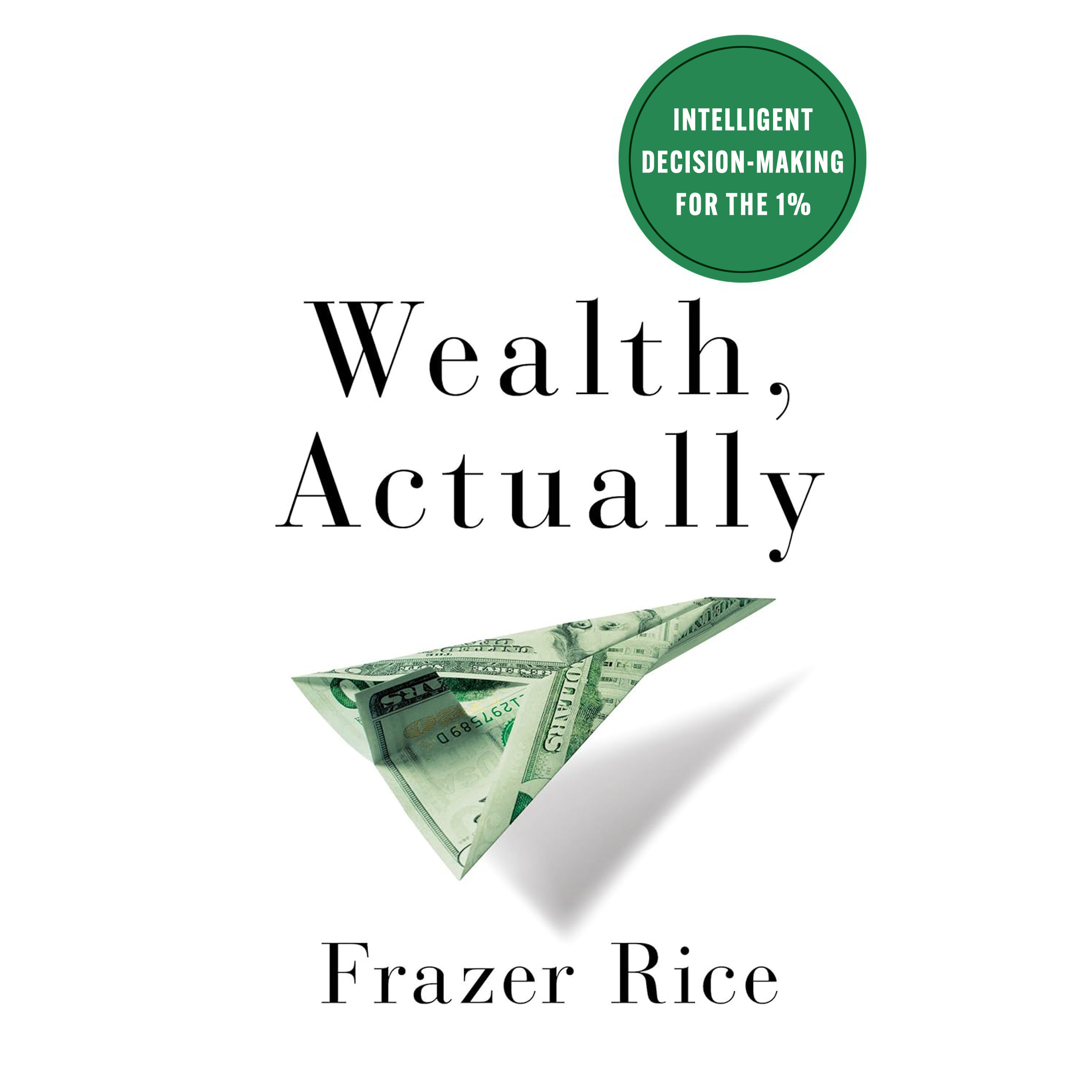
Wealth Actually
Frazer Rice
The Memo by Howard Marks
Oaktree Capital Management